
How to check if you’re blacklisted
The idea of being blacklisted from buying a house or car can sound scary but it’s less intimidating when you understand what the term actually means.
The concept really just refers to information contained in your credit record and how lenders assess your creditworthiness. The good news is that you can check your credit record for free and default information doesn’t stay there forever.
Here’s how it works.
Is there really a blacklist in South Africa?
No. There’s no single list of people banned from getting credit. Credit bureaus such as TransUnion, Experian and XDS keep a record of how you manage credit and that record includes your good payment history as well as negative information such as missed payments and defaults.
The term “blacklisted” stuck because, years ago, credit bureaus mainly recorded default information. Today, each lender looks at your credit record along with its own lending criteria and decides whether to lend to you. Being declined by one lender doesn’t mean every lender will say no.
What being “blacklisted” really means
What people often mean when they say they are “blacklisted” is that there is negative information on their credit record that may cause lenders to view them as a higher credit risk.
That can happen because of:
- Missed or late payments. Accounts may be marked as in arrears, slow paying or handed over for collection.
- Default listings. A creditor reports that you’ve stopped paying an account.
- Court judgments. A court has ordered you to pay a debt.
- Administration orders or sequestration. Formal legal processes that may apply when a person is unable to pay their debts.
- Debt review. A flag showing you’re in a debt review process.
You can also have a low credit score without any default listings. This may happen if you have very little credit history, you’re using most of your available credit or you’ve applied for credit many times in a short period.
How long does it last?
Default information stays on your credit record for a set period, which depends on the type of information recorded. These periods are regulated by the National Credit Act. Different types of information can remain on your credit record for different periods, so it is important to check what has actually been recorded on your credit report.
Paying off a debt doesn’t always remove a listing straight away but your account status should be updated to show it’s settled.
What affects your credit score?
Your credit score is a number that helps lenders assess your credit risk. Different credit bureaus use different scoring models, but they generally consider similar information.
Factors that can affect your credit score include:
- Whether you pay your accounts on time.
- How much of your available credit you are using.
- The length of your credit history.
- How many credit applications you have made recently.
- The types of credit you have, such as store accounts, personal loans or credit cards.
- Any defaults, judgments or accounts in arrears.
A good credit score doesn’t happen overnight. It is built through consistent and responsible financial behaviour over time.
How to improve your credit profile
If your credit score is lower than you’d like, there are practical steps you can take to improve your credit profile over time:
- Pay your accounts on time every month, even if it's only the minimum amount due.
- Catch up on overdue accounts as soon as possible.
- Avoid applying for multiple loans or credit products within a short period.
- Reduce outstanding balances on credit cards and revolving credit facilities where possible.
- Check your credit report regularly and dispute any incorrect information.
- If you’re struggling with debt, contact your credit providers early to discuss payment arrangements before falling behind.
- Create and follow a realistic budget so that you can manage your debt and expenses more effectively.
Improving your credit profile takes time, but even small changes can make a difference. The key is to develop consistent financial habits and monitor your progress regularly.
Understanding your credit score and tracking your progress are important steps towards improving your credit profile and overall financial wellbeing.
How to check
The only way to know if you have default information on your record is to check your credit report. It shows every account in your name, how you’ve paid and any default listings or judgments. Checking your own report doesn’t harm your credit score.
Fixing your credit record is easier when you can see your progress. To check your credit score and track the progress you are making you can use the free Hollard platform called Hollard Money, a financial wellness platform built around the Kleva Coach, a guide that helps you understand your credit and take control of your money.
Whether you are planning for a major life milestone or simply looking for a little more breathing room in your monthly budget, Hollard Money is built to support you every step of the way.
At the heart of the platform is the Kleva Coach, a smart, supportive financial guide that helps you take control of your money with confidence.
When you sign up, you get:
Your free credit score and report, with no impact on your credit record
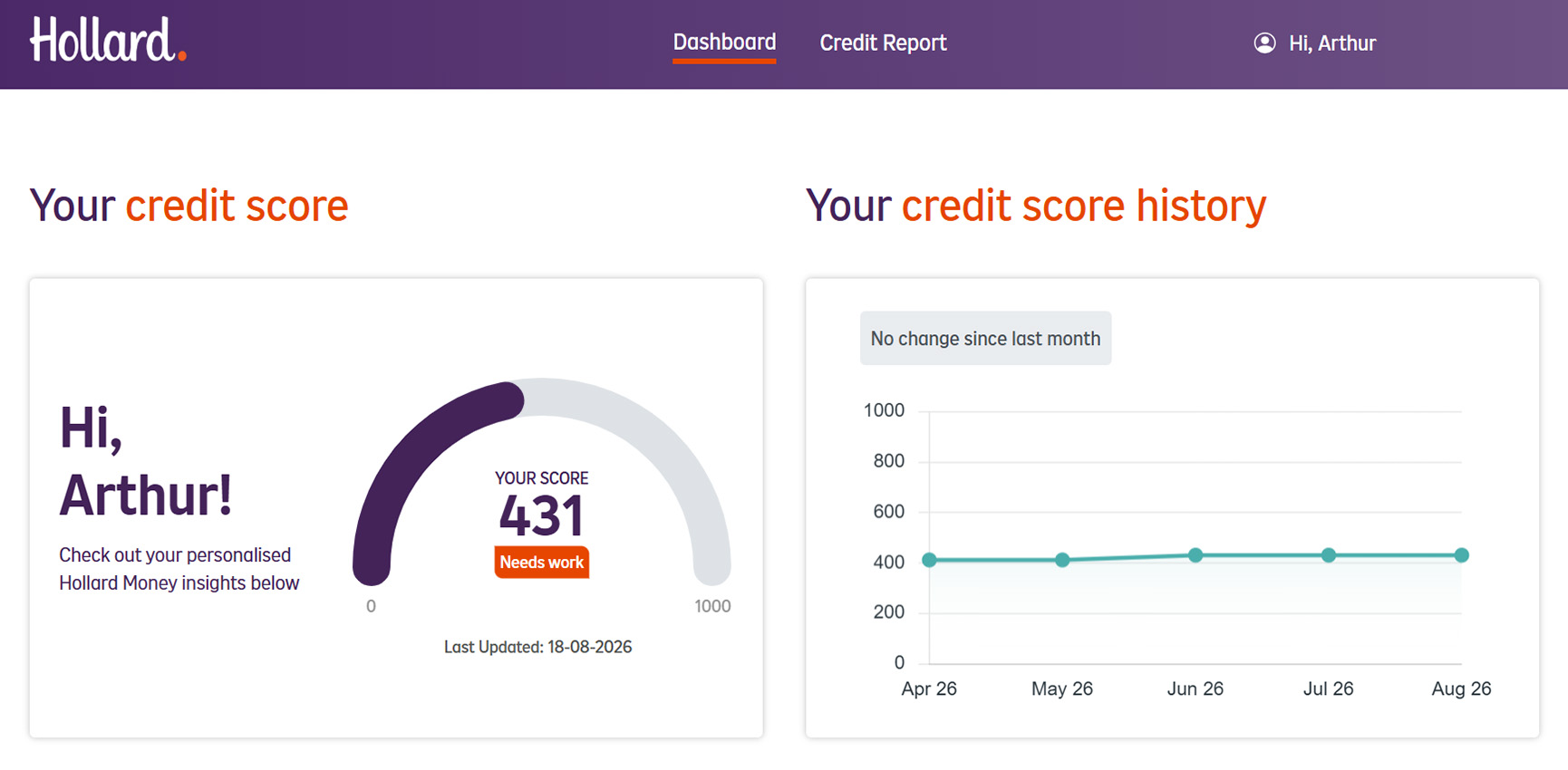
A credit dashboard to track your progress month by month
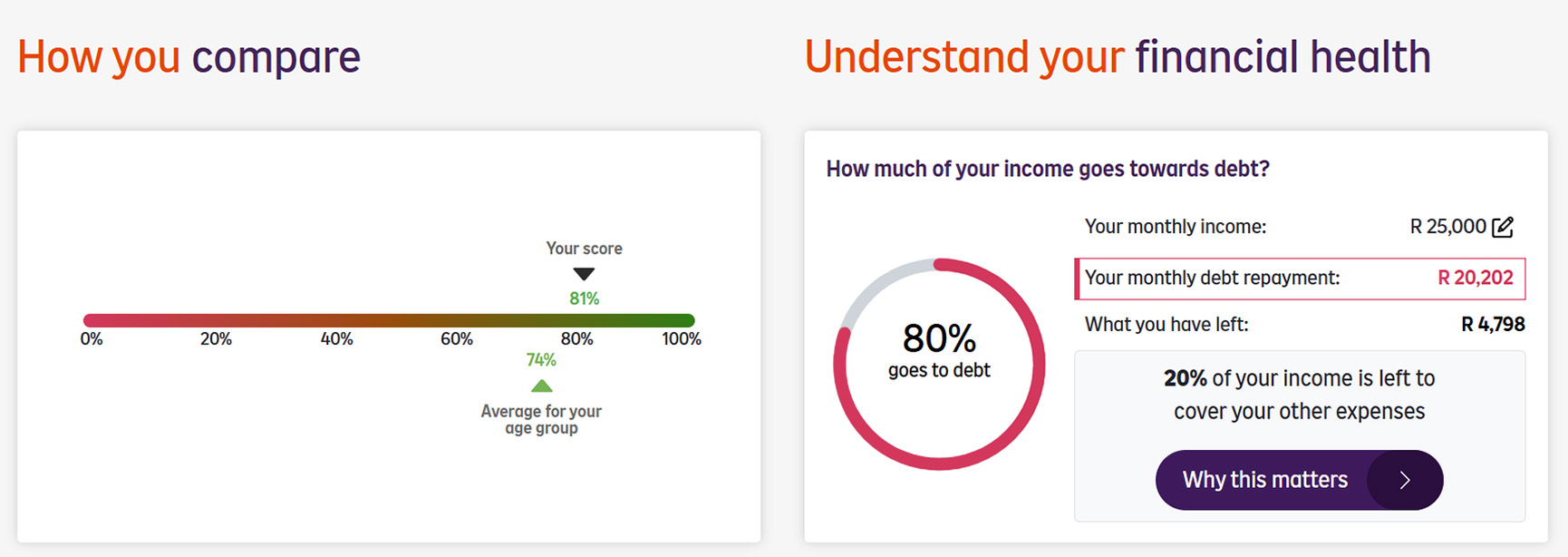
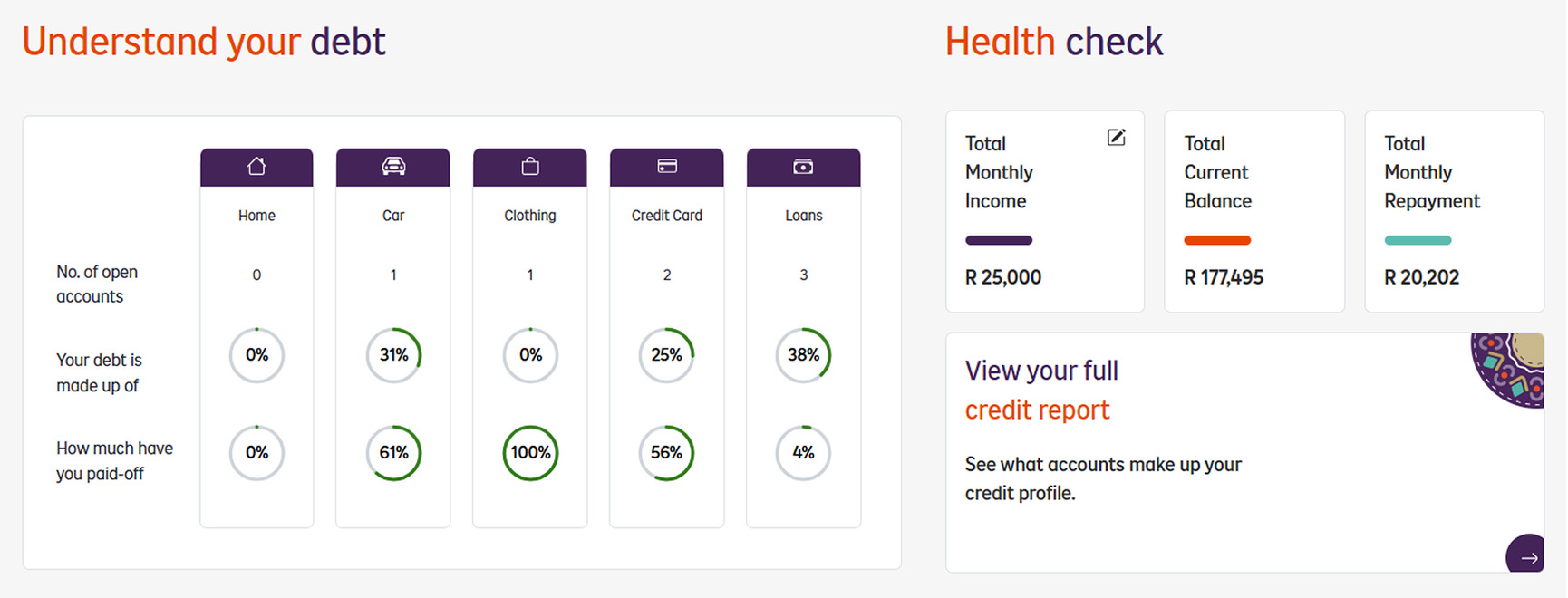
Debt and affordability insights, including your debt-to-income ratio
Access to real financial wellness coaches

Take the first step
The sooner you know what’s on your credit record, the sooner you can understand where you stand and take the steps to improve your credit profile where necessary. Sign up for Hollard Money to see where you stand and get support from the Kleva Coach. For more money skills, explore the free Streetwise Finance modules.


